
Education
Cannabis Terms Explained: Types, THC, CBD and Labels
· BUDDHA BROS
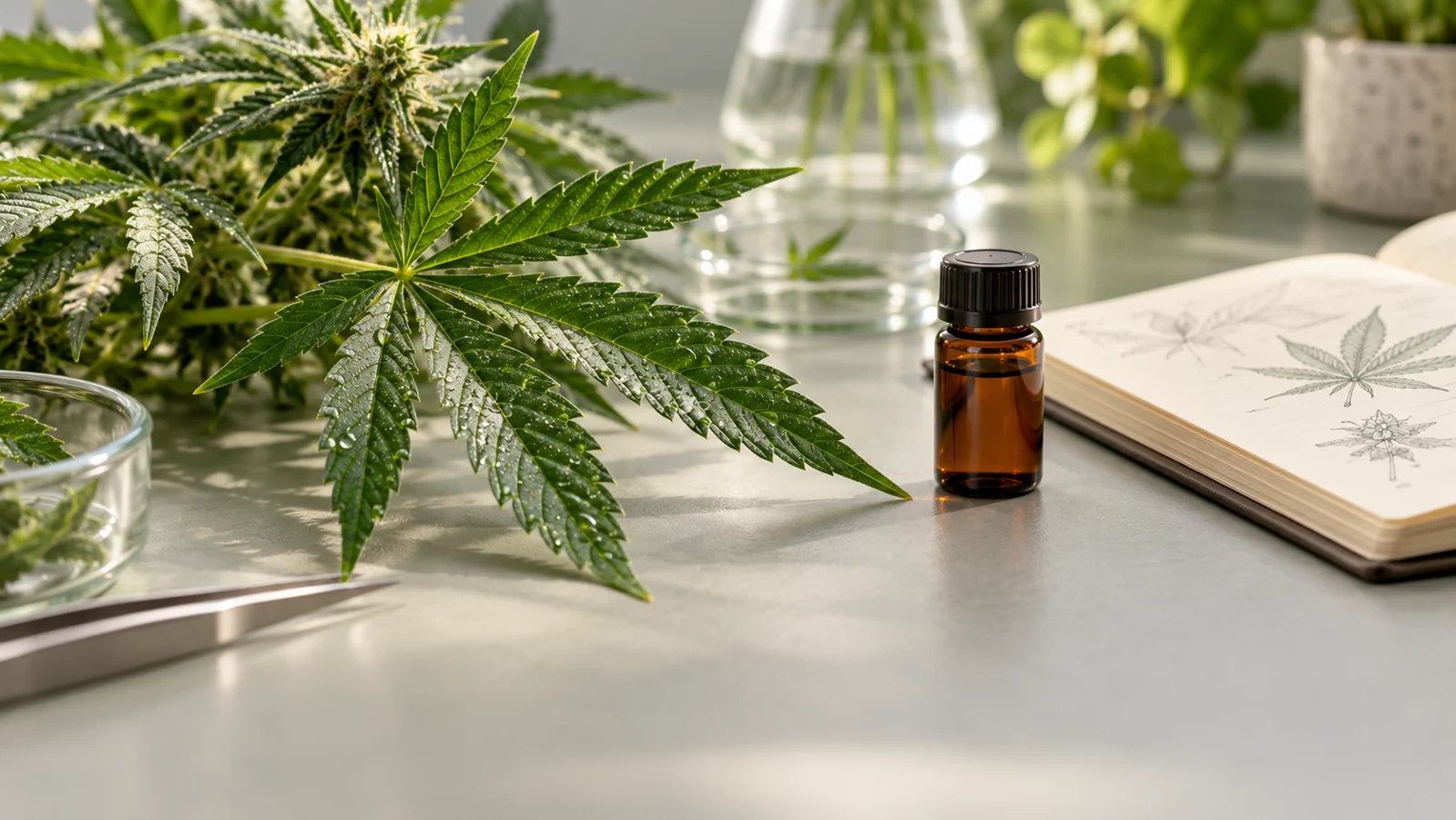
Watch: Cannabis terms
18-second narrated summary with on-screen text.
Read video transcript
- Flower, extracts and edibles describe different forms.
- THC and CBD identify chemical compounds.
- Names do not replace labels or batch test results.
Animated editorial illustrations and general information. See the article below for context and sources.
Cannabis terminology can mix plant names, chemical compounds and product forms. This Q&A separates those meanings and explains what labels and laboratory reports can tell you.
What does cannabis mean, and what is flower?
Cannabis is the plant; the word is also used for materials and products derived from it. Flower means the dried flowering material, often called buds. Flower is a product form, while THC and CBD are chemical compounds.
What is the difference between a pre-roll and an infused pre-roll?
A pre-roll is cannabis material already rolled into a smoking product. An infused pre-roll includes added cannabis ingredients such as concentrate. The word infused describes an addition, not a health benefit or a guarantee of consistent strength. The ingredients and cannabinoid information explain more than the name alone.
What are extracts and concentrates?
These terms refer to materials produced by separating or concentrating cannabis compounds from the plant. Oils and other concentrate forms may contain much higher THC concentrations than flower.
What are edibles, and why can their effects be delayed?
Edibles are foods or drinks containing cannabis. Their effects can take longer to appear than those of inhaled cannabis, which can contribute to accidental overconsumption. Familiar packaging, flavour or appearance does not make an edible equivalent to ordinary food. Keep cannabis products securely away from children and pets.
What is the difference between THC, THCA and CBD?
THC is the main compound responsible for cannabis intoxication. THCA is a related compound in the plant that can convert to THC when heated. CBD does not produce the same high as THC, but it is not risk-free: side effects and medication interactions are possible. A CBD label is not a medical approval.
What do indica, sativa and hybrid mean?
These are labels commonly used to describe cannabis varieties; hybrid generally indicates mixed ancestry. They are not dependable promises of a particular experience. Research comparing commercial labels with chemical and genetic data found that indica and sativa labels poorly captured overall variation. A label alone cannot predict how an individual will respond.
What are terpenes?
Terpenes are compounds that contribute to aroma and flavour. They are different from cannabinoids such as THC and CBD. Describing a smell as citrus-like or earthy is not evidence that a product treats a condition. Research into cannabis compounds and their possible interactions is ongoing.
What do percentages and milligrams on labels mean?
A percentage expresses a proportion; milligrams express an amount. They cannot be compared as if they were the same unit. Check whether a number refers to a serving, the whole package or a concentration. California manufactured-product rules distinguish these measurements and also require information such as ingredients and batch identifiers. Requirements vary by jurisdiction.
What is a COA or certificate of analysis?
A COA is a laboratory report for a tested batch. California testing includes cannabinoid content and checks for contaminants such as pesticides, heavy metals, microbes and residual solvents. A report should correspond to the product batch. Its results do not guarantee an individual response or prove that a product is harmless or medically effective.