

Education
Cannabis Edibles Explained: Delayed Effects, Labels and Safety
· BUDDHA BROS

Watch: Edibles and safety
18-second silent animated summary. Text appears on screen.
Read video transcript
- Edible effects can be delayed and last longer than expected.
- Read serving and package amounts separately.
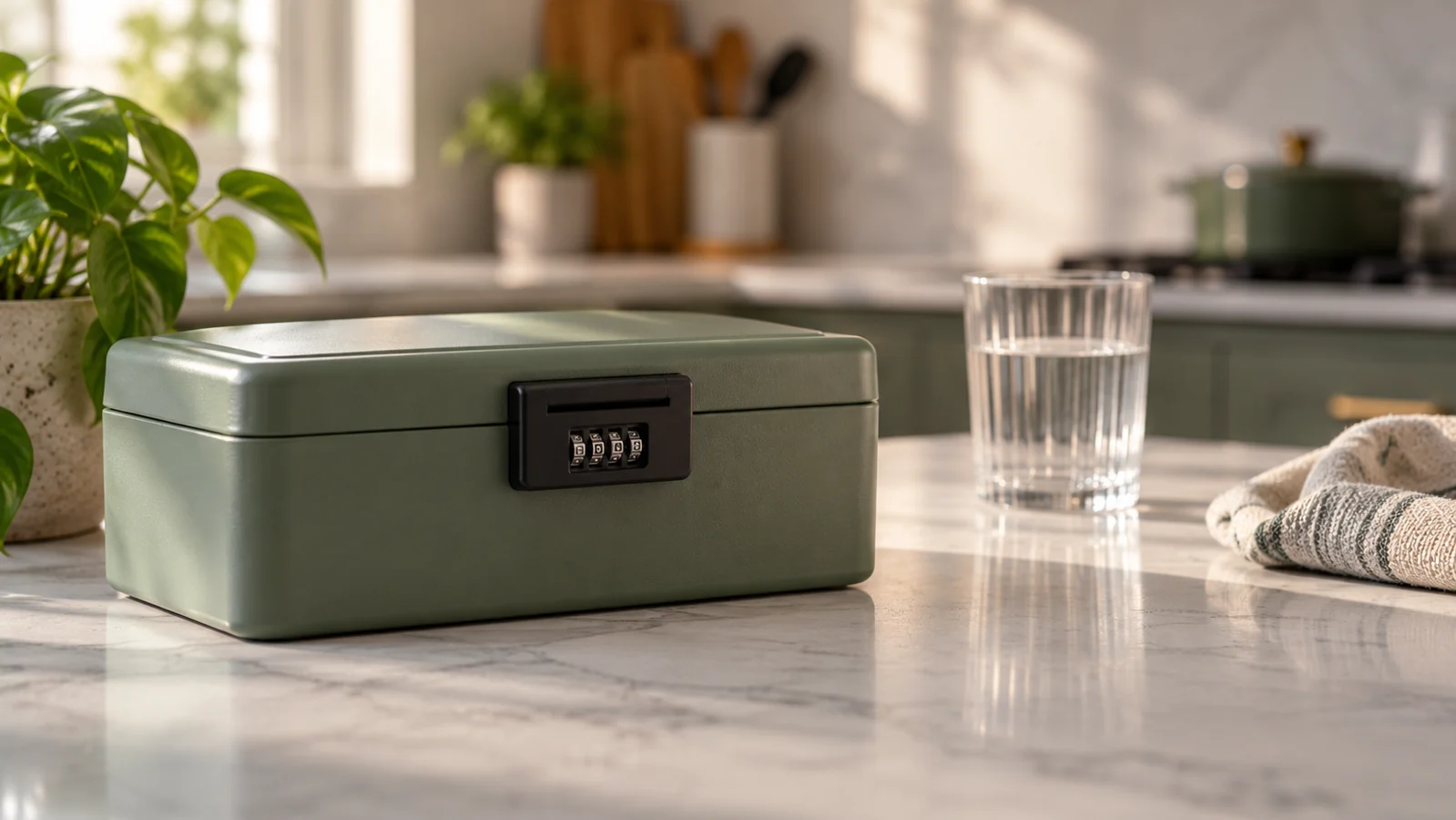
- Store securely away from children and pets.
Animated editorial illustrations and general information. See the article below for context and sources.
Cannabis-infused foods and drinks can look familiar while having delayed and unpredictable effects. These seven questions explain the terminology, labels and health risks without recommending products or amounts.
What counts as a cannabis edible?
An edible is a food or drink infused with cannabis. The term describes the product form, not its cannabinoid content or medical value. Familiar forms such as sweets, baked foods or beverages can contain intoxicating THC; their appearance alone does not identify what is inside.
Why can edible effects take longer to appear?
The body processes ingested cannabis differently from inhaled cannabis. California DCC describes effects that can take up to two hours to begin and up to four hours to develop fully. These are general timeframes, not a personal countdown. Delayed effects can lead someone to consume more before realizing how much they have already taken.
How long do edible effects last?
There is no reliable duration that applies to everyone. Effects can last longer than expected and depend on factors including the amount ingested, food in the stomach, medications, alcohol and individual differences. A clock or another person's experience cannot confirm that impairment has ended.
Does the THC amount on the package mean per piece or per package?
Read the unit and the label heading. California labeling requirements distinguish THC and CBD amounts per serving from amounts per package. One piece and one labeled serving are not automatically interchangeable. Ingredient and allergen information matters too. These measurements explain the label; they are not a recommendation about how much to use.
Are edibles harmless because there is no smoke?
No. Avoiding smoke does not remove the effects or risks of THC. Cannabis can impair memory, attention and decision-making, and edible effects can be delayed or unpredictable. CDC says risks exist across different forms of cannabis and that evidence is insufficient to identify one method as universally safer.
Why is secure storage especially important?
Cannabis foods can be mistaken for ordinary snacks. FDA has warned about accidental ingestion, particularly when packaging resembles familiar candy or other foods. Store cannabis separately from ordinary food, securely out of children's and pets' reach and sight. Keep identifying packaging so an adult or healthcare professional can see what the product contains.
What are signs that someone needs medical help?
Severe confusion, panic, hallucinations, fast heart rate, or severe nausea and vomiting can occur after too much cannabis. Children may become very ill after accidental ingestion. Seek urgent medical guidance for suspected poisoning. In the United States, call Poison Control at 1-800-222-1222; call 911 for an emergency. Outside the United States, contact local emergency or poison services.