

Education · History and evidence
Why Is AK-47 Called AK-47? 7 Questions About Its History
· BUDDHA BROS
AK-47 is a cannabis variety name with a documented breeder account, but a familiar name can hide several different questions. Who developed the original line? What does the name mean? Does a photograph identify the genetics of another plant? This guide separates the breeder’s history, an archival photograph and the limits of what a strain name can tell a reader. Historical descriptions are attributed to their sources rather than treated as laboratory verification of every sample carrying the same label.


Who created AK-47, and when?
Serious Seeds attributes AK-47 to its breeder Simon and dates its development to 1992. Its company history places the founding of Serious Seeds in 1995. These are different events: the reported development of a variety can precede the business that later maintains and distributes it. Keeping those dates separate avoids a misleading single origin date.
Why was the name AK-47 chosen?
The breeder describes the name as a reference to perceived impact rather than an endorsement of violence. This is a naming account from the breeder, not a scientific measure. It should not be converted into a claim that one exposure produces a predictable result, or that every sample bearing the name is unusually strong.
Is AK-47 described as indica, sativa or hybrid?
Serious Seeds describes the original line as a sativa-leaning hybrid. That is its classification of the breeding line. Research on commercial cannabis finds that common indica, sativa and hybrid labels do not consistently separate chemical composition. A historical category therefore cannot replace analysis of a particular sample.
Is its exact family tree publicly established?
The breeder reports Colombian, Mexican, Thai and Afghan seed-stock ancestry while keeping the exact pedigree private. Broad geographic ancestry is less specific than a complete, independently verified family tree. Readers should preserve that distinction when comparing accounts: a source naming regions does not establish the identity of every parent or every later plant with the same name.
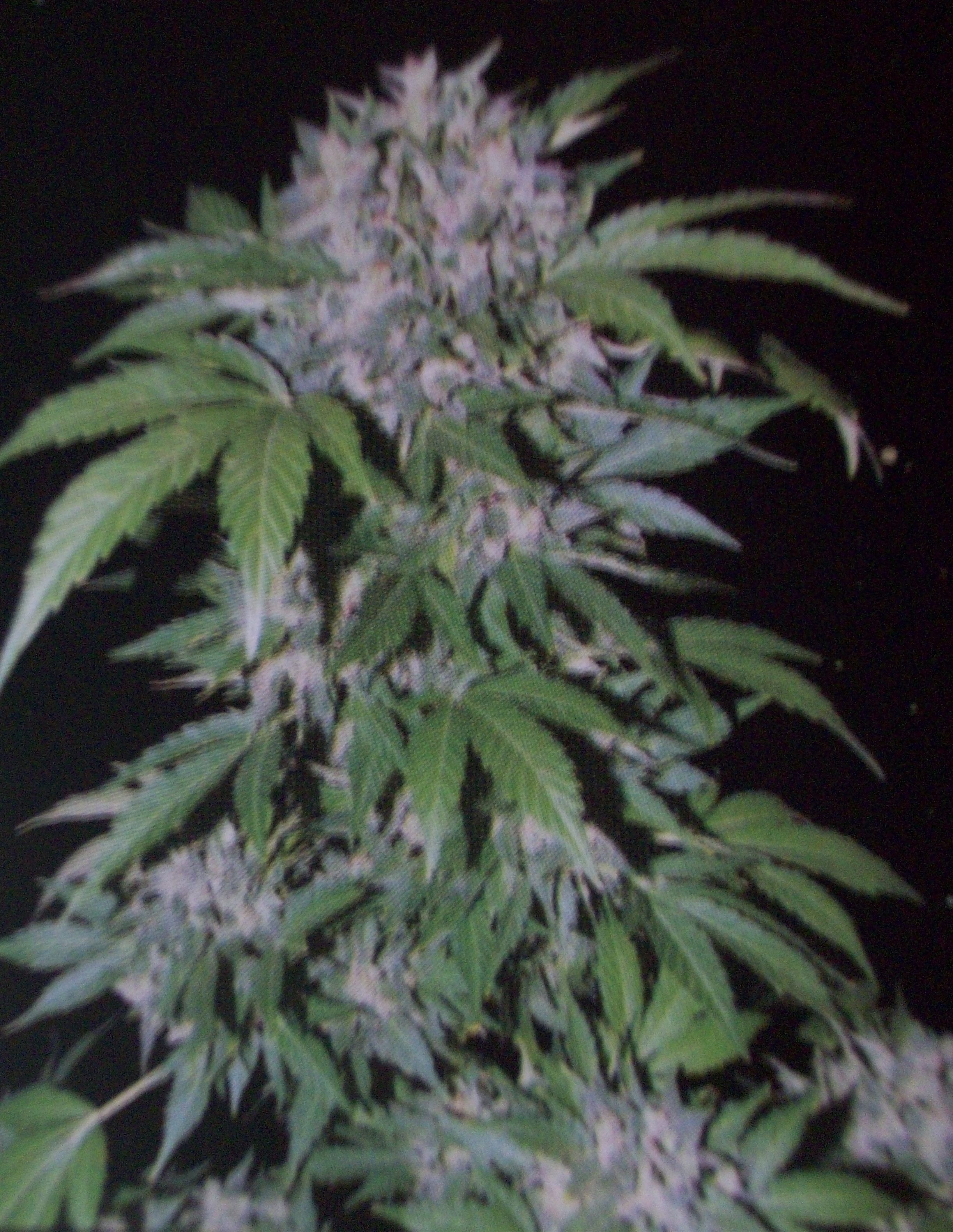
Does the photograph show the original Serious Seeds AK-47?
The photographer labelled this archival image Auto AK47. That caption does not establish that the plant is the original Serious Seeds line. We show the source identification explicitly so an illustration is not mistaken for authentication. The photograph also does not document our inventory, a laboratory result, or the identity of another plant that happens to look similar.
Why do strain names sometimes fail to describe consistent chemistry?
The PLOS ONE study examined commercial flower testing records across six US states and found substantial chemical diversity. Names and marketing categories did not consistently capture that diversity. The study provides a reason to be cautious about labels generally; it does not independently authenticate this variety’s origin or prove that all products with one name are identical.
Can the name tell me a sample’s THC level or personal effects?
No. A strain name is not a batch-specific cannabinoid measurement or a controlled prediction of an individual response. The chemical survey measured composition, not a clinical guarantee of how a named strain makes someone feel. To understand a label, distinguish the historical name from actual measured amounts and from personal-effect claims. Our linked guides explain those separate ideas without treating the name as proof.