

Education
Cannabis Concentrates and Extracts: Meanings, Labels and Risks
· BUDDHA BROS
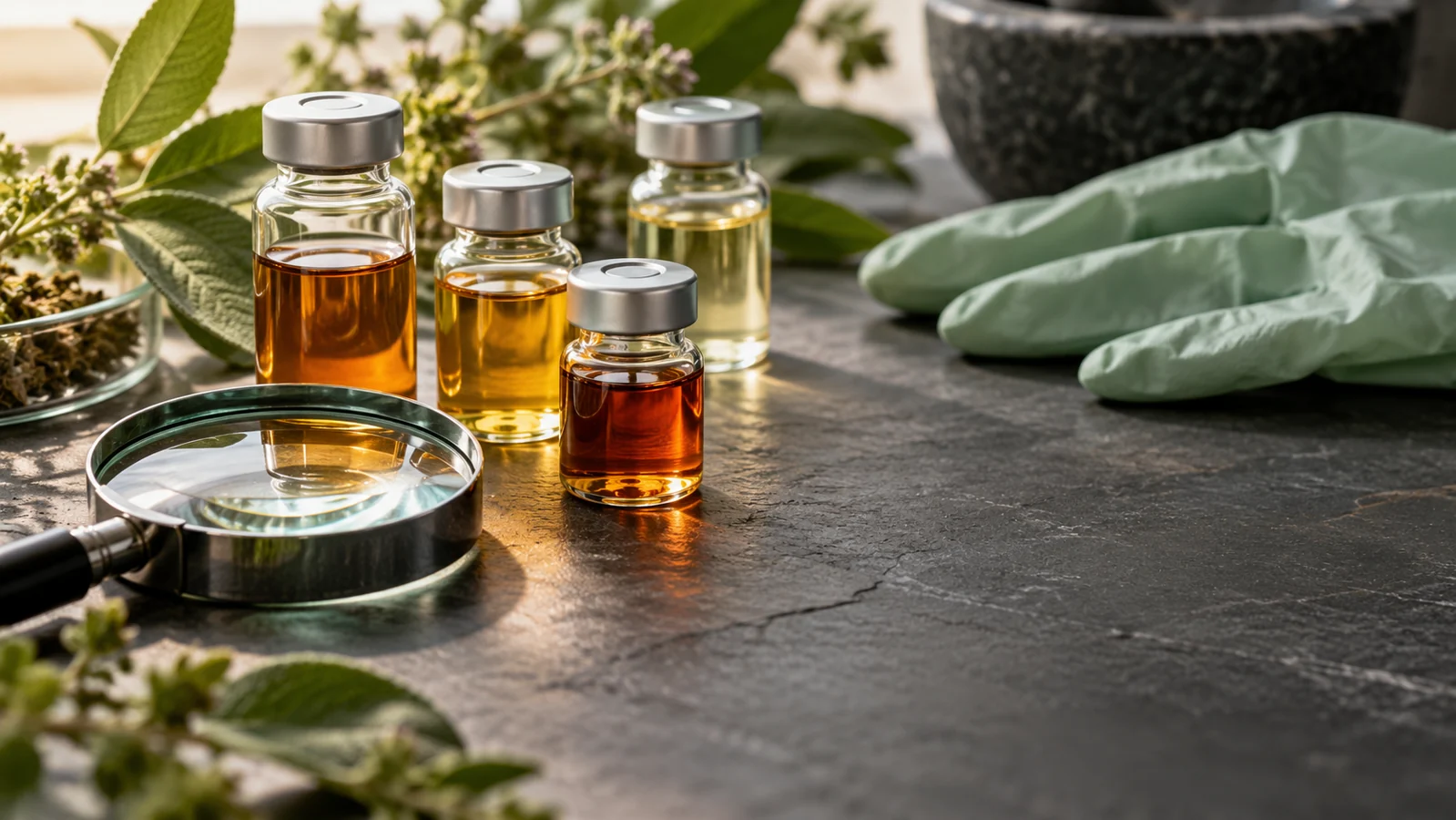

Watch: Concentrates and extracts
18-second silent animated summary. Text appears on screen.
Read video transcript
- A concentrate contains increased levels of cannabinoids.
- A name such as wax or oil is not a potency measurement.
- Higher THC concentration does not establish safety.
Animated editorial illustrations and general information. See the article below for context and sources.
Concentrate, extract and oil describe related but different ideas. These seven questions explain product forms, chemical measurements and testing, with the limits and health risks kept clear.
What is a cannabis concentrate?
A concentrate is cannabis that has been processed to concentrate one or more cannabinoids. It is a broad category, not one uniform ingredient. California regulations include several forms within the term. A concentrate label alone does not establish the exact chemical content, ingredients or health effects.
How is an extract different from dried flower?
Dried flower is plant material. Extraction separates cannabinoids from plant material through physical or chemical means. The resulting material can be used in different manufactured products. This describes the distinction between forms; it does not mean an extract is automatically purer, safer or medically effective.
What do names such as oil, wax, shatter, hash and kief mean?
These are names used for different cannabis preparations and forms. Health Canada describes hash and kief as physically concentrated forms and lists wax and shatter among other concentrated extracts. The names are not standardized potency measurements. Oil can also describe a preparation containing cannabis extract in a carrier oil, so the word alone is incomplete.
Does a higher THC concentration mean a better product?
Higher concentration describes more THC relative to the amount of material; it does not establish a health benefit or a better experience. THC can impair attention, memory and decision-making. CDC notes that highly concentrated forms may carry a higher risk of cannabis use disorder, while important questions about their effects remain unresolved.
Are an extract and an edible the same thing?
No. An extract can be an ingredient in a food or drink, but it is not itself the same product category as the finished edible. Manufacturers also use extracts in other forms, including topicals and vape products. A shared ingredient does not make different product forms interchangeable.
What can a batch-specific lab report show?
A certificate of analysis records results for the batch tested. California testing includes cannabinoid content and checks for contaminants such as residual solvents, pesticides, heavy metals and microbial impurities. A report for a different batch does not establish the results for another product. Testing information is separate from a product name or its appearance.
Does vaping a concentrate eliminate cannabis health risks?
No. CDC identifies risks with oils and concentrates, including high THC concentrations, possible additives or contamination, and lung injury associated with vaping. Not burning flower does not establish that inhaling an aerosol is harmless. Appearance, aroma and a laboratory result cannot guarantee an individual's safety.